Innovative Architectural Designs for Sustainable Living

In a world increasingly aware of environmental issues, the need for sustainable living has never been more pressing. Architectural designs that prioritize sustainability not only reduce the ecological footprint but also enhance the quality of life for their inhabitants. This blog post explores innovative architectural designs that embody sustainable living, showcasing examples that inspire and inform.
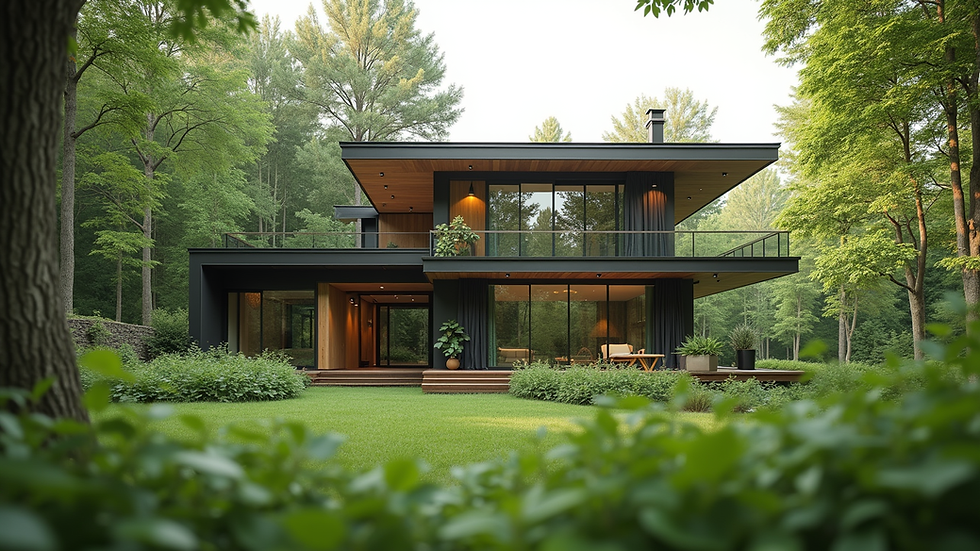
Understanding Sustainable Architecture
Sustainable architecture refers to a design philosophy that seeks to minimize the negative environmental impact of buildings. This approach encompasses various aspects, including energy efficiency, resource conservation, and the use of sustainable materials. The goal is to create structures that are not only functional but also harmonious with their surroundings.
Key Principles of Sustainable Architecture
Energy Efficiency: Buildings should be designed to use minimal energy for heating, cooling, and lighting. This can be achieved through proper insulation, energy-efficient windows, and the integration of renewable energy sources like solar panels.
Water Conservation: Sustainable designs often incorporate systems for rainwater harvesting, greywater recycling, and efficient plumbing fixtures to reduce water consumption.
Sustainable Materials: The use of locally sourced, recycled, or renewable materials can significantly reduce the environmental impact of construction. Materials such as bamboo, reclaimed wood, and recycled steel are excellent choices.
Indoor Air Quality: Sustainable buildings prioritize the health of their occupants by using non-toxic materials and ensuring adequate ventilation.
Site Responsiveness: A sustainable design takes into account the local climate, topography, and ecosystem, ensuring that the building complements its environment rather than disrupts it.
Innovative Architectural Designs
1. Passive House Design
Passive House design is a rigorous standard for energy efficiency that results in ultra-low energy buildings. This approach relies on passive solar heating, natural ventilation, and high levels of insulation to maintain comfortable indoor temperatures without the need for active heating or cooling systems.
Example: The Passivhaus in Germany is a prime example of this design. It features triple-glazed windows, super-insulated walls, and an airtight envelope, resulting in energy consumption that is up to 90% lower than conventional buildings.
2. Green Roofs
Green roofs are an innovative solution that involves growing vegetation on the rooftops of buildings. This design not only provides insulation but also helps manage stormwater, reduces urban heat, and improves air quality.
Example: The Chicago City Hall features a green roof that covers over 20,000 square feet. This initiative has led to a significant reduction in energy costs and has created a habitat for local wildlife.
3. Earth-Sheltered Homes
Earth-sheltered homes are built into the earth, providing natural insulation and protection from the elements. This design minimizes the need for heating and cooling, making it an energy-efficient option.
Example: The Earth-Sheltered House in New Mexico showcases this concept beautifully. Its design allows for natural light to enter while maintaining a stable indoor temperature year-round.
4. Modular and Prefabricated Homes
Modular and prefabricated homes are constructed off-site and then assembled on location. This method reduces waste, construction time, and labor costs, making it a sustainable choice.
Example: The Koda by Kodasema is a prefabricated home that can be easily transported and assembled. It features energy-efficient systems and a minimalist design that blends seamlessly with its surroundings.
5. Biophilic Design
Biophilic design emphasizes the connection between humans and nature. This approach incorporates natural elements into architectural designs, enhancing well-being and productivity.
Example: The Bosco Verticale (Vertical Forest) in Milan consists of two residential towers covered in trees and plants. This design not only provides residents with green space but also improves air quality and biodiversity in the urban environment.
The Role of Technology in Sustainable Architecture
Technology plays a crucial role in advancing sustainable architectural designs. Innovations such as smart home systems, energy management software, and advanced building materials contribute to more efficient and environmentally friendly structures.
Smart Home Systems
Smart home technology allows homeowners to monitor and control energy usage, lighting, and heating remotely. This capability leads to more efficient energy consumption and can significantly reduce utility bills.
Energy Management Software
Energy management software helps architects and builders analyze energy consumption patterns and optimize designs for efficiency. This technology can predict energy needs and suggest improvements, ensuring that buildings meet sustainability standards.
Advanced Building Materials
The development of new materials, such as self-healing concrete and phase-changing materials, enhances the sustainability of buildings. These materials can reduce maintenance costs and improve energy efficiency.
Challenges in Sustainable Architecture
Despite the benefits, there are challenges in implementing sustainable architectural designs. These include:
Higher Initial Costs: Sustainable materials and technologies can be more expensive upfront, which may deter some builders and homeowners.
Regulatory Hurdles: Building codes and regulations may not always support innovative designs, making it difficult to implement sustainable practices.
Lack of Awareness: Many consumers and builders are still unaware of the benefits of sustainable architecture, leading to a slower adoption rate.
The Future of Sustainable Living
As awareness of environmental issues grows, the demand for sustainable architectural designs is likely to increase. Future trends may include:
Increased Use of Renewable Energy: More buildings will incorporate solar panels, wind turbines, and other renewable energy sources to reduce reliance on fossil fuels.
Integration of Nature: Designs will increasingly focus on integrating natural elements, such as green walls and urban gardens, to enhance well-being and biodiversity.
Community-Centric Designs: Future architectural projects may prioritize community spaces and shared resources, fostering a sense of connection and collaboration among residents.
Conclusion
Innovative architectural designs for sustainable living are not just a trend; they represent a necessary shift towards a more environmentally conscious future. By embracing principles of sustainability, architects and builders can create spaces that are not only functional but also beneficial to the planet and its inhabitants. As we move forward, it is essential to continue exploring and implementing these designs, ensuring a healthier, more sustainable world for generations to come.
Take action today by considering sustainable options in your next building project or home renovation. Together, we can make a difference.


Comments